Query
Sun. Mon. Tue. Wed. Thu. Fri. Sat.
- -
  • Update【Call For Papers】New Connections in International Business Conference 2026

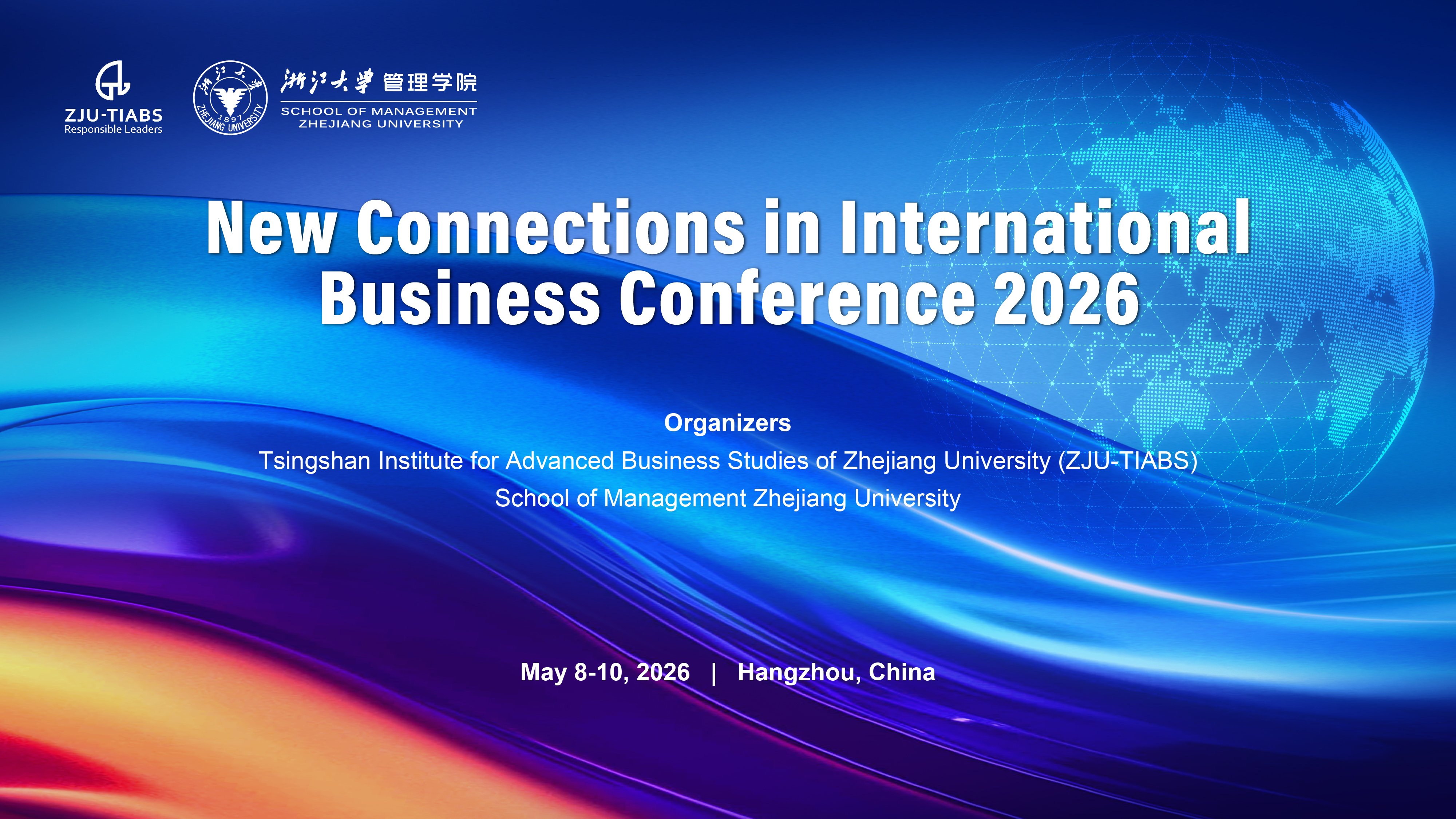
    New Connections in International Business Conference 2026Scheduled for 9th to 10th May 2026.CALL FOR PAPERSConference ThemesIn 2017, ‘The Determinants of Chinese Outward Foreign Direct Investment,’ published by Peter Buckley and co-authors in 2007, was the 2017 AIB JIBS Decade Award Winner. Almost 20 years on from this publication we are in a very different global environment. Geopolitical disruption, technical change and economic turbulence are challenging the resilience of MNEs to adapt. At the same time, China has evolved to become a leading innovation nation and a key player in the global economy.  This conference will be an opportunity to reflect on the evolution of China and Chinese firms in the international arena, but we welcome papers across the IB studies field, with a preference for our key themes listed below.  Zhejiang University, Hangzhou city and Zhejiang Province are recognised as innovation leaders, the birthplace of entrepreneurial firms from Alibaba and Geely to DeepSeek. 107 of the top 500 Chinese private enterprises are based in the province. Appropriately, our first conference theme (below) is international innovation and entrepreneurship in the digital era. This includes, but extends beyond digital internationalisation, digital platforms and AI as new enablers for international expansion and managing global businesses. Keynote SpeakersConfirmed speakers include :Professor Peter Buckley (Manchester Alliance Business School) Professor Grazia Santangelo (Copenhagen Business School) Professor Yadong Luo (UM Herbert Business School) Professor Torben Pedersen(Copenhagen Business School)Professor Jiatao (JT) Li (HKUST)Professor Xufei Ma (CUHK Business School) Professor Changqi Wu (Guanghua School of Management)Professor Jane Lu (City University of HongKong)Conference TracksInternational business, innovation and entrepreneurship in the digital eraIncluding: digital internationalisation, digital platforms and AI as new enablers for international expansion and managing global businesses; the impacts of innovation races on global value chains; the changing linkages between regional innovation (eco)systems; the evolving role and impacts of digital born global firms.Changing patterns of trade, FDI and MNE internationalisationGeopolitical disruption, risk, resilience and changing global governance structures, institutions and regulation. Policy impacts on MNEs and internationalisation.The corporate social responsibility (CSR) of MNEsGlobal sustainability and circular economy business models. Global supply chains in transition. Measuring progress towards ESG's (environmental, social and governance) or SDGs (sustainable development goals) and enhancing the positive impacts of MNEs.Developing context sensitive theories, methods and empiricsHow different are Chinese multinationals? The evolution of Chinese management research. Chinese business practices, culture, markets, institutions and finance.International comparative research methods and data analysisIncluding: new insights from AI tools; interdisciplinary approaches to international business research; multimethod approaches; the potential for causal inference approaches to provide new international business insights.PhD SymposiumA conference track dedicated to papers with PhD students as lead authors. These can be across, or beyond, the above conference themed tracks. There will be a focus on paper development and publishing advice. Journal Special Issue WorkshopsWe are in discussions with the Editors of leading journals to organise Special Issue (SI) workshops alongside the main conference. There will also be opportunities for PhDs to hear from members of Editorial Boards on publishing in leading journals.Key Dates and Submission DetailsThe programme team invites full papers, or extended abstracts. The conference presentations and all papers will be in English. Each submission must include an abstract, not to exceed 200 words. Please state which one of the 6 conference tracks the paper should be considered for by putting the Track number and title on the front page at the top right. Only PDF and Word files will be accepted. PhD student-led papers should be marked for Track 6 (although they may be accepted and invited for presentation in one of the other 5 themed Tracks). Following conference guidelines, full papers must be fewer than 12,000 words inclusive of all materials, including appendices and references. Papers must follow the JIBS Style Guide. Extended abstracts should be between 2 and 6 pages, not including references. Please send all submissions to: zju-aib2026@zju.edu.cnWe will post further details at the conference website: https://tiabs.zju.edu.cn/2025/1021/c75232a3095472/page.htmThe submission deadline is March 20th, 2026.RegistrationRegistration fee: Full fee for Professors is CNY 1,500.Reduced fee for PhD students: CNY 800.Please click here for registration : https://zju-ib2026.baibuhz.com  Housing Open : 9 February 2026Hosts This conference is supported by the School of Management and the Tsingshan Institute for Advanced Business Studies (TIABS), Zhejiang University. Hangzhou is famous for the West Lake (Xihu), a UNESCO World Heritage Site, temples, tea and silk. It has historical significance, serving as the capital for several dynasties including the Southern Song Dynasty. It is also known as the Chinese Silicon Valley with established multinationals and Fortune 500 companies including Alibaba, WZ Group, Zhejiang Rongsheng Holding Group, Geely Holding Group, and Hengyi Petrochemical Co., alongside technology start-ups such as DeepSeek and Unitree Robotics. A series of company visits will be organised as part of the conference event by the hosts.Contact informationFull details about the Conference venue, registration fees, and accommodation will be posted soon. For any questions, please contact :Ms. Meng:  0924235@zju.edu.cn  

    2025-10-21
  • Tsingshan Lecture VII: China-US Stageic Game and Great Innovate Changes

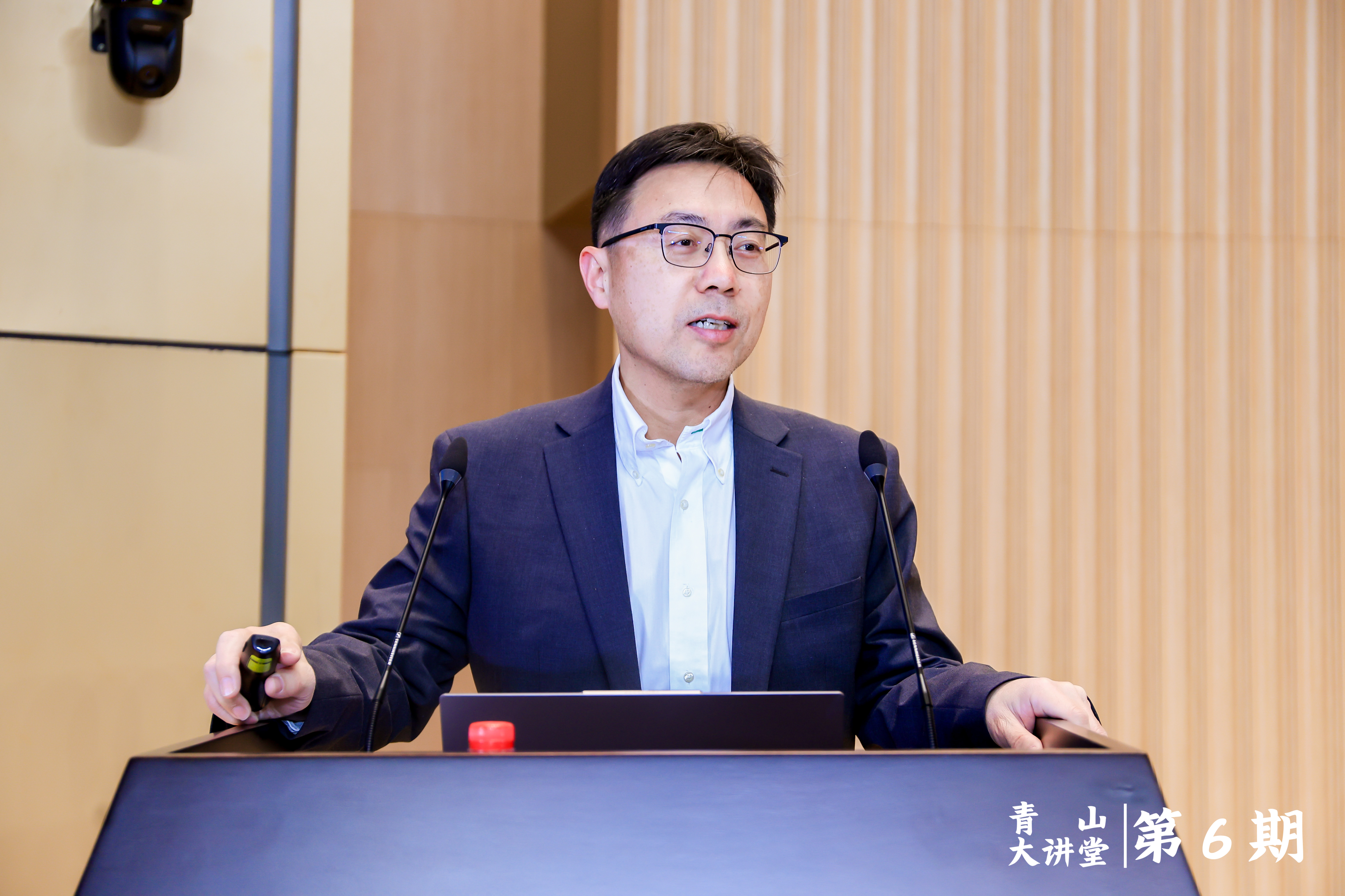
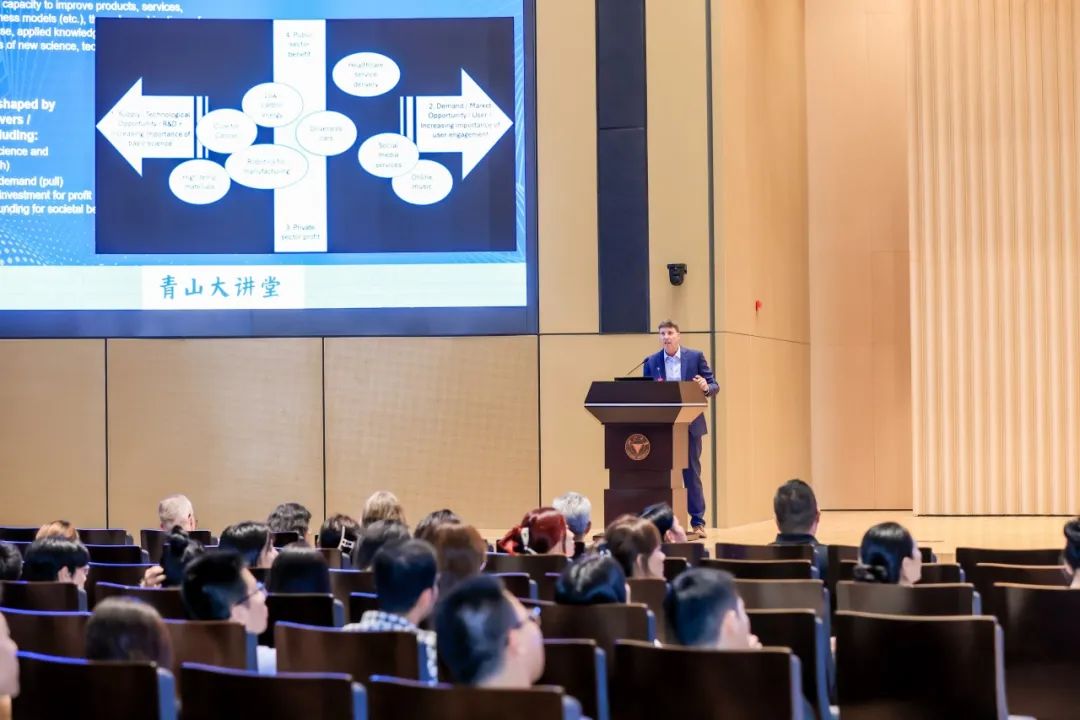
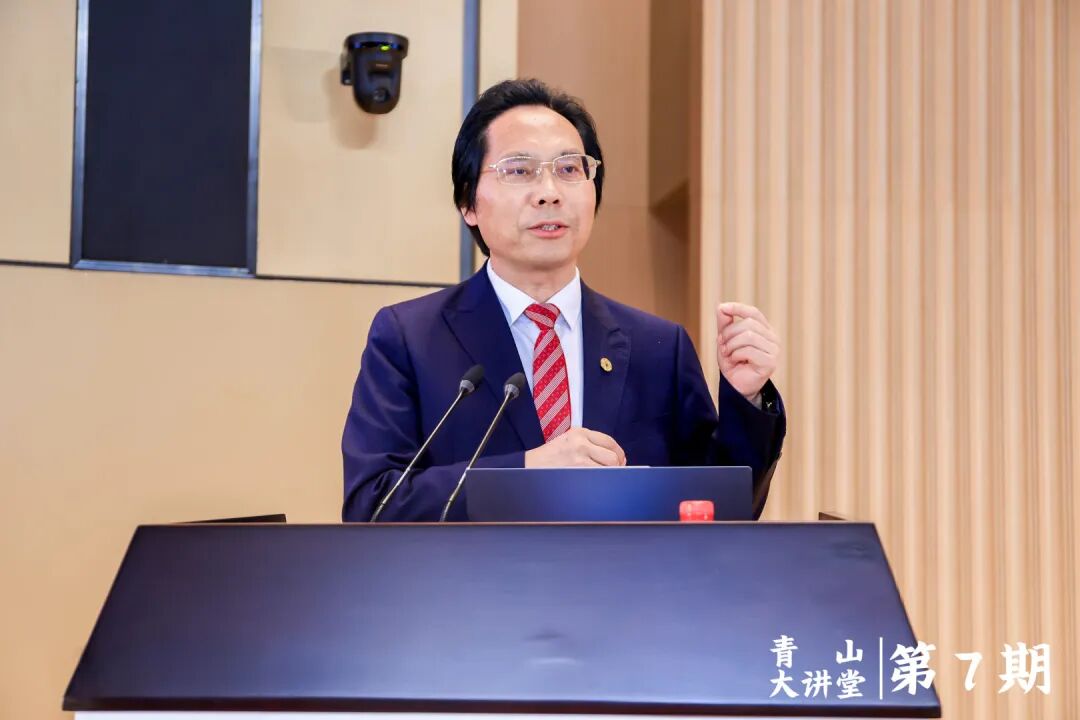
    Title:  China-US Stageic Game and Great Innovate ChangesSpeaker: Professor Xianhai HuangTime: 11th June, 18:30Venue: Godlen HallAbstract: Titled “The U.S.-China Strategic Game and Major Innovation Transformation,” the presentation delved into three key areas: the broader trends in U.S.-China relations, the surge of innovation in Hangzhou, and the main pathways through which artificial intelligence drives industrial transformation. It highlighted the imperative for contemporary entrepreneurs to maintain a global perspective, strategically anticipate technological shifts, lead in building innovation ecosystems, and seize the initiative in navigating profound changes unfolding over a century. Using Hangzhou’s “Six Little Dragons” enterprises as a case study, the analysis illustrated their deep collaboration with Zhejiang University and the city of Hangzhou. It pointed out that behind Hangzhou’s innovation boom lies a significant leap in innovation pathways, embodied in “one paradigm and three mechanisms”: the innovation paradigm of the digital age, the youth-led mechanism, the “dual empowerment engine” mechanism, and the “dual frontiers” mechanism.‍‍Profile: Professor Huang Xianhai, Vice President of Zhejiang University and Dean of the Qingshan Academy of Business, delivered a lecture titled Sino-U.S. Strategic Game and Major Innovation Transformation at the Qingshan Lecture Hall. He analyzed the trends in Sino-U.S. relations and China’s strategic responses, and introduced the One Paradigm, Three Mechanisms behind Hangzhou’s innovation surge. Professor Huang also proposed a third macro-policy framework aimed at innovation-driven growth. The lecture attracted over 200 participants, including faculty, students, and scholars such as Professors Zhang Junsen, Miao Jianjun, Zhou Weihua, Yu Xunda, and Shen Wei. It was chaired by Professor Wu Xiaobo, a Distinguished Expert of Zhejiang Province and Executive Dean of the Qingshan Academy of Business.‍‍In his talk, Professor Huang emphasized that China should strengthen international alliances, boost domestic trade, support enterprises through tax reductions, stabilize financial markets, and enhance innovation. Using the “Hangzhou Six Little Dragons” as a case study, he illustrated how human intelligence and data have become core inputs in the digital era, facilitated by youth-driven innovation, platform-city “dual empowerment,” and Zhejiang University’s “dual frontier” mechanism integrating research and practice. He further highlighted talent as the key to AI development and called for differentiated industrial and patent strategies, proactive government support, and greater university-industry collaboration to accelerate innovation.‍‍‍‍

    2025-06-13
  • 2025 Summer 《The Chinese Economy》

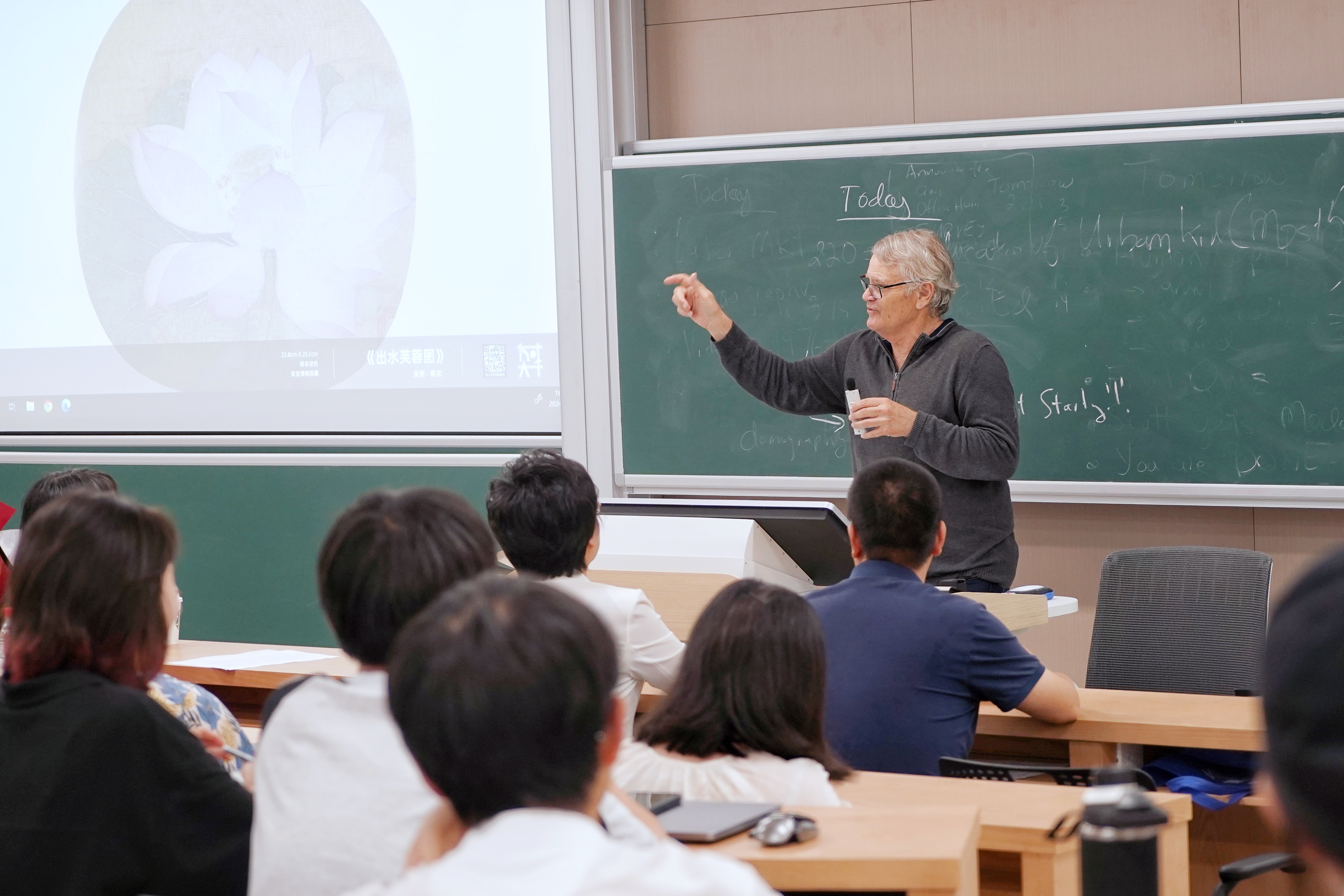
    Course Name:  The Chinese EconomySpeaker: Professor Scott Rozelle (Helen F. Farnsworth Senior Fellow, Tsingshan Chair Professor)Time: 15th April-22th MayVenue: CARD729Language: English & ChineseAbstract: This is a survey course of the Chinese economy with emphasis on understanding a.) the process of economic development in China over the centuries before 1949; b.) the economy during the age of Socialism; and c.) economic reform, transition and development during the past 40 years. It will help students learn the different historical stages of institutional changes, develop an informed perspective on economic and political rationale and the effectiveness of the economic policies that have shaped China’s economic emergence, and think critically about the process of economic and social changes. We will also be using applied econometrics and real data to replicate papers as a way of producing a deeper understanding of how to undertake the activities of an applied development economist.Discussion sections are part of the class requirements. There will be 4-6 sessions required (that is, not every week). Three of them will be showing PBS documentaries (each about 1 hour and 50 minutes long). We will show the documentary. We will discuss. There will be questions of week that those who attend should find fairly straightforward (answers to the questions will be turned in as homework and become part of your grade). 

    2025-06-03
  • Tsingshan Lecture VI: Financial Crises and Asset Bubbles

    Title:  Financial Crises and Asset Bubbles Speaker: Professor Jianjun MiaoTime: 15th April, 18:30Venue: Godlen HallAbstract:  Financial crises tend to share common causes and are frequently associated with asset bubbles and collapses. This talk examines the definitions of financial crises and asset bubbles, explores methods for identifying them, and analyzes their underlying causes. Additionally, it discusses seven major historical episodes of asset bubbles.Profile: Professor Jianjun Miao is a professor of economics at the Department of Economi-cs,Boston lniversity,a Fellow of the Economic Theory PromotionAssociation (Fellow of SAET), and a Senior Research Fellow (SeniorFellow of Asian Bureau of Finance and Economic Research (ABFER))at theInstitute of Asian Economic and Financial Studies. He also serves asdeputy editor of the ournals *Economic Theory* and *acroeconomicDynamics*, and former deputy editor of *Journal of Mathematical Economics* and *uantitative conomics*, Miao is the founder of the (hinaInternational Conference on Macroeconomics (CICM)and the China Macroeconomic Research Forum. He graduated from the lniversity of Scienceand Technology of China in 1992 with a Bachelor's degree in Mathemati-and subsequently obtained a Master's degree in Economics from SunC5,Yat-sen lniversity, a Master's degree in Finance from Queen's lniversity, Canada, and a Ph.D, in Economics from the lniversity of Rochester,USA, His research focuses on the macroeconomic impact of bubbles andcrashes,decision theory and applications under uncertainty,rationalneglect,business cycles,fiscal and monetary policies,damic contracts, and continuous time finance, fis research spans multiple disciplines,including macrocconomics and finance,as wellas decisiontheory, public finance,and industrial organization theory. The mainpublished journals include 《American Economic Review》,《American Economic Journal: Macroeconomics》,《Econometrica》,《International Economic Review》,《Journal of conomic Theory》,《Journal of Finance》《Journal of Financial Economics》,《Journal of Monetary Economics》《Proceedings of the National Academy of Sciences》,《Review of Financial Studies》,and Theoretical Economies, the world's top economicsand finance journals, He has published three monographs on economicsand won the Best Paper Award of China International Finance Annua]comerence.

    2025-04-23
  • Tsingshan Lecture V: Long Live Keju! The Persistent Effects of China’s Civil Service Examination System

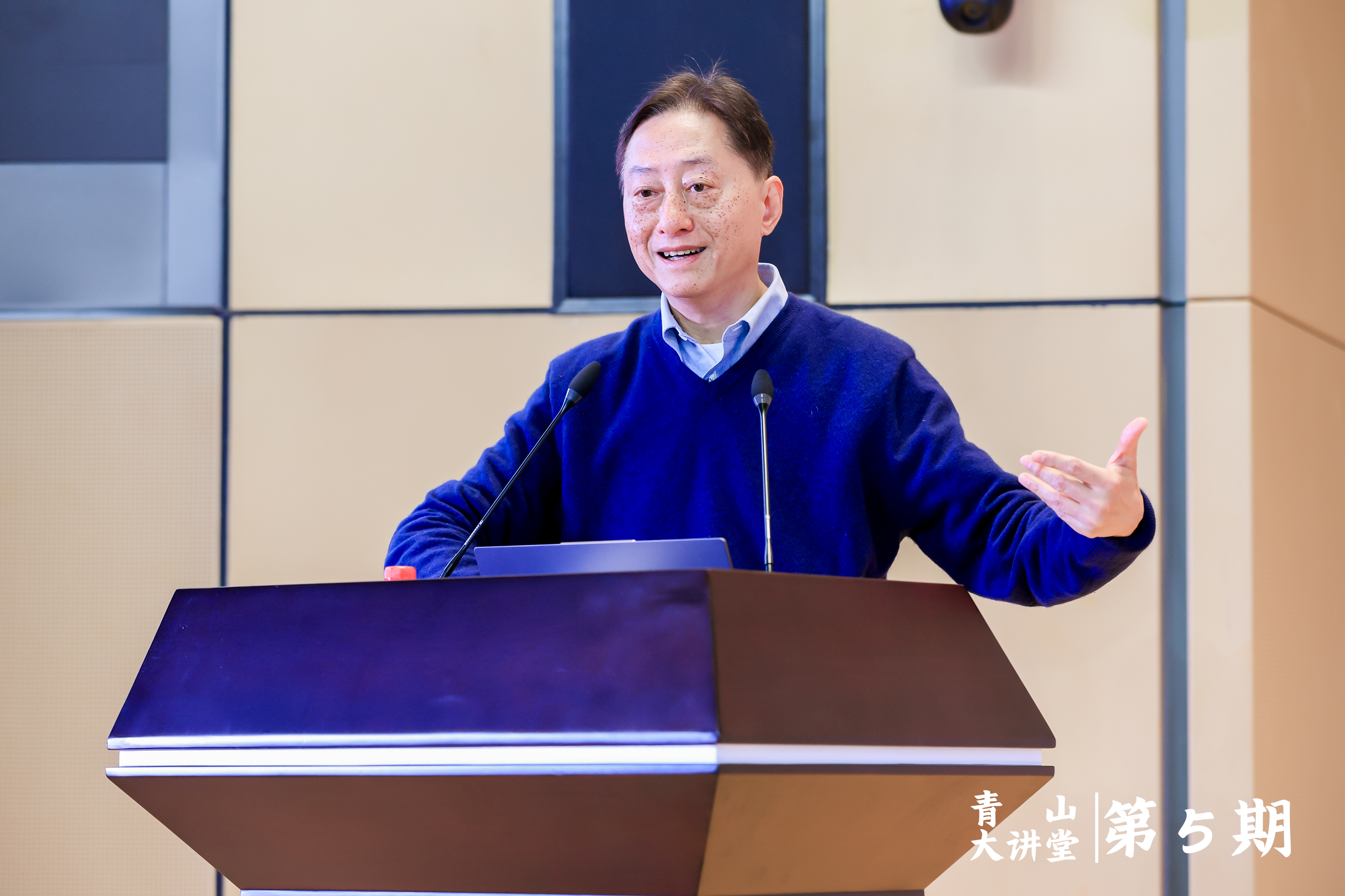
    Title:  Long Live Keju! The Persistent Effects of China’s Civil Service Examination SystemSpeaker: Professor James KungTime: 14th March, 18:30Venue: Godlen HallAbstract: A predominant feature of Chinese civilization is the widely-diffused respect for learning. We argue that this is due to the effect of China’s civil service examination system (keju), an incredibly long-lived institution in Chinese history. Using the variation in the density of jinshi across 278 Chinese prefectures in the Ming-Qing period (c. 1368-1905) to proxy for this effect, we provide evidence showing that a doubling of jinshi per 10,000 population leads to an 8.5% increase in years of schooling in 2010. Our evidence thus suggests how in some cultures it is education rather than material wealth that is considered important as a transfer to the next generation. While the persistent effect of keju can be attributed to a multitude of factors including educational infrastructure, social capital, and so forth, cultural transmission represents a key channel through which the widely-diffused respect for learning is transmitted across generations. Profile: Prof. James Kung is Griffin Chair in Economic History in the Faculty of Business and Economics at the University of Melbourn. Before joining UniMel, he was tenured as the Issac R. Souede Professor in Economic History of Business School at the University of Hong Kong, and the Yan Ai Foundation Professor of Social Science at the Hong Kong University of Science of Technology (HKUST).His research interests are steeped in the economic history of China, its institutions and its political economy of development. Early on in his career, he was attracted to the “New Institutional Economics”, a passion that led to his studying the effects of institutions on development by examining a variety of topics ranging from the failure of a collectivized agriculture to the miraculous rise (and fall) of the township-and-village enterprises in rural China—a social laboratory I found utterly fascinating. 

    2025-03-18
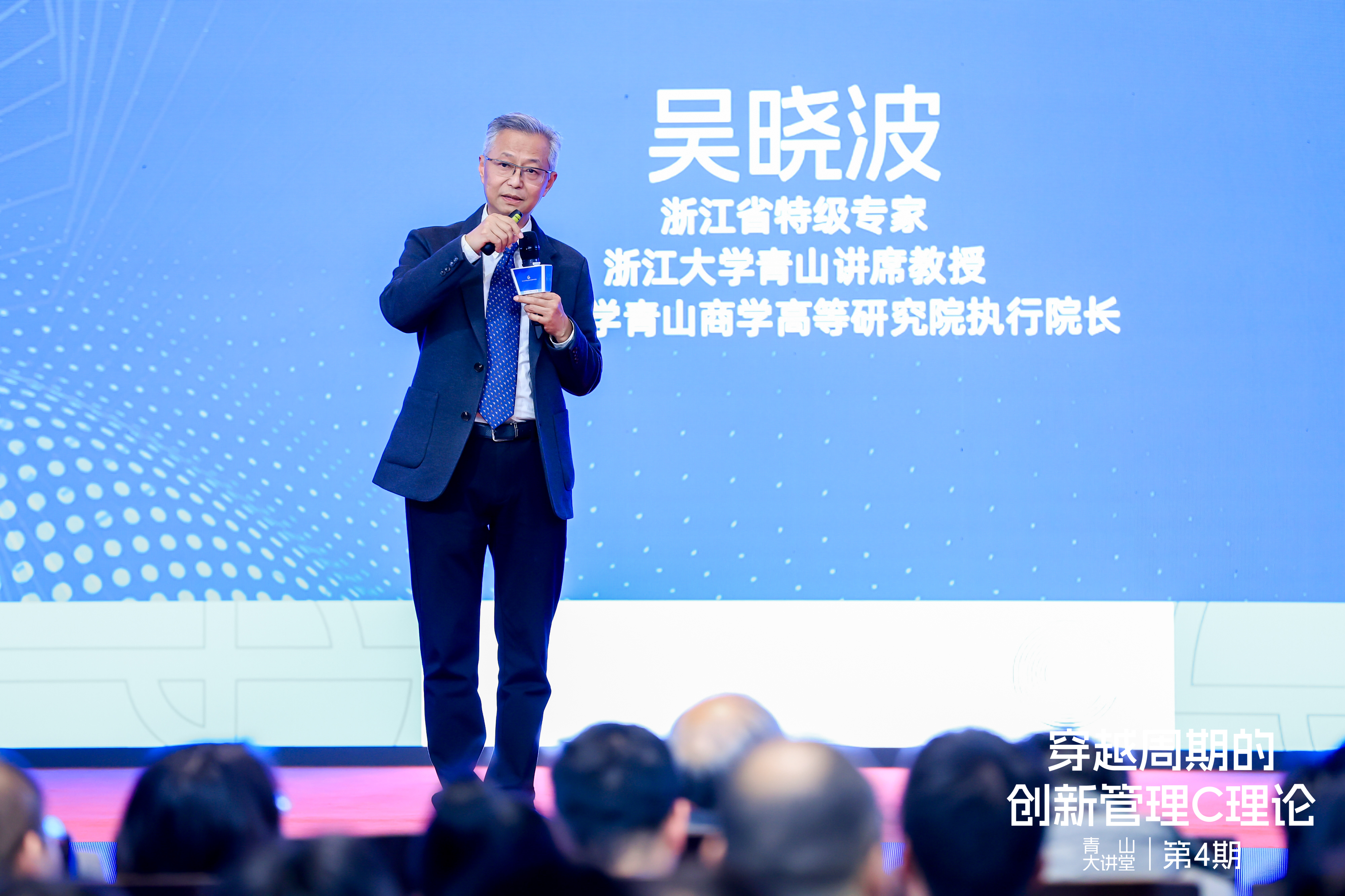
  • Tsingshan Lecture IV: Innovation Management across Cycles:C Theory .

    Title:  Innovation Management across Cycles:C Theory .Speaker: Professor Xiaobo WuTime: 19th December, 18:30Venue: Godlen HallAbstract: How to break the 'catch-up trap'? This has always been a challenge for developing countries. What can we learn from China's success? Based on more than 30 years of research on innovation management, Prof Wu will systematically explain the C Theory from secondary innovation to overcoming catch-up, from decoding the micro-innovation mechanism of enterprises to revealing the dynamic evolution law of industrial innovation, to macro-industry and innovation policy. From decoding the micro-innovation mechanism of enterprises, to revealing the dynamic evolution law of industrial innovation, to macro-industrial and innovation policies, the conference will systematically expound the construction of the C-theory of innovation management from Chinese practice.Profile: Prof. Xiaobo WU is Professor of Innovation and Strategic Management, School of Management, Zhejiang University. He is honored as Chang Jiang Scholar Professor by Ministry of Education, China for his outstanding achievements in innovation and entrepreneurship research and education. He is director of National Institute for Innovation Management and Academy of Global Zhejiang Entrepreneurs, at Zhejiang University. He is also the director of the Zhejiang University—Cambridge University Joint Research Center for Global Manufacturing and Innovation Management and Ruihua Institute for Innovation Management, and was appointed as senior vice president of International Council for Small Business in 2012. He also serves as the vice-president of the Central and East European Management Development Association (CEEMAN). For many years, Dr. Wu has been focusing on managing technological innovation and entrepreneurship, global manufacturing and network-based competitive strategy. He is at editorial boards of academic journals, as IEEE TEM, AJTI etc. He has been actively involved in management consulting and was the advisor and board member of leading companies including Geely, Siemens China, Hikvision, XIZI UHC and etc.

    2024-12-20
  • 2024 Summer 《The Chinese Economy》

    Course Name:  The Chinese EconomySpeaker: Professor Scott Rozelle (Helen F. Farnsworth Senior Fellow, Tsingshan Chair Professor)Time: 7th June-29th JuneVenue: North4-104Abstract: This is a survey course of the Chinese economy with emphasis on understanding a.) the process of economic development in China over the centuries before 1949; b.) the economy during the age of Socialism; and c.) economic reform, transition and development during the past 40 years. It will help students learn the different historical stages of institutional changes, develop an informed perspective on economic and political rationale and the effectiveness of the economic policies that have shaped China’s economic emergence, and think critically about the process of economic and social changes. We will also be using applied econometrics and real data to replicate papers as a way of producing a deeper understanding of how to undertake the activities of an applied development economist.Discussion sections are part of the class requirements. There will be 4-6 sessions required (that is, not every week). Three of them will be showing PBS documentaries (each about 1 hour and 50 minutes long). We will show the documentary. We will discuss. There will be questions of week that those who attend should find fairly straightforward (answers to the questions will be turned in as homework and become part of your grade). 

    2024-11-05
  • Tsingshan Lecture III: Enhancing the Contribution of Universities to Innovation and Economic Growth

    Title:  Enhancing the Contribution of Universities to Innovation and Economic GrowthSpeaker: Professor Simon CollinsonTime: 13th September, 18:30Venue: Godlen HallAbstract:  Universities are major contributors to innovation capability in firms and economies. Because of this they drive economic growth and competitiveness but can also reduce social inequality and help improve environmental sustainability. This contribution is not fully recognised partly because it is difficult to measure. Using examples from the UK and China this talk will examine the importance of universities as skills-developers and R&D-producers in the context of regional economic growth. We will then explore ways in which their contribution to the wider economy and society can be enhanced.Profile:  Professor Simon Collinson (FRSA, FAcSS) is a Tsingshan Chair Professor at the Tsingshan Institute for Advanced Business Studies (TIABS) in the ZJU School of Management.Prof. Simon Collinson has a B.A. Hons. from the University of Leeds (UK), an M.A. from the University of Florida (USA), and a DPhil. from the University of Sussex (SPRU, UK). He has held visiting positions at Hitotsubashi University (Japan), Indiana University (USA) and the AGSM, Sydney (Australia) and faculty positions at the Universities of Edinburgh, Reading (Henley) and Warwick, where he was Deputy Dean of the Warwick Business School. He joined the University of Birmingham in 2012 as Dean of the Birmingham Business School and Professor of International Business and Innovation. He then took on the joint roles of Deputy Pro-Vice-Chancellor and Founding Director of the City-Region Economic Development Institute (City-REDI) from 2016 to 2024 and joined ZJU in 2024. He is an Honorary Professor at the University of Birmingham and an Associate of the Bennett Institute for Public Policy at Cambridge University.Professor Collinson has been awarded over £15 million (CNY 135 million) of research funding and published more than 80 papers in leading international journals, including Research Policy, Regional Studies, JIBS, Business History and Organisation Studies. His research has also featured in the Financial Times, Sunday Times, Wall Street Journal, BBC Radio 4, and the New Statesman. Simon has taught at the MBA and Executive levels at Henley (Reading), WBS (Warwick) and Judge (Cambridge) Business Schools and has consulting experience with a wide range of multinational firms. He is also lead author of the foremost FT/Pearson International Business textbook (9th Edition, 2024).Following two appointments as a Member of the Council of the UK ESRC (Economic and Social Research Council), which oversees the government programme of national funding across all of the social sciences (2011 – 2018), Simon was elected a Fellow of the Academy of Social Sciences (AcSS). For his long-term contribution to academic leadership and impact he was made a Fellow of the Royal Society for the encouragement of Arts (RSA), a Fellow of the Chartered Association of Business Schools (C-ABS) (of which he was Chair, 2015-2018) and a Fellow of the British Academy of Management (BAM). 

    2024-09-25