Query
Sun. Mon. Tue. Wed. Thu. Fri. Sat.
- -
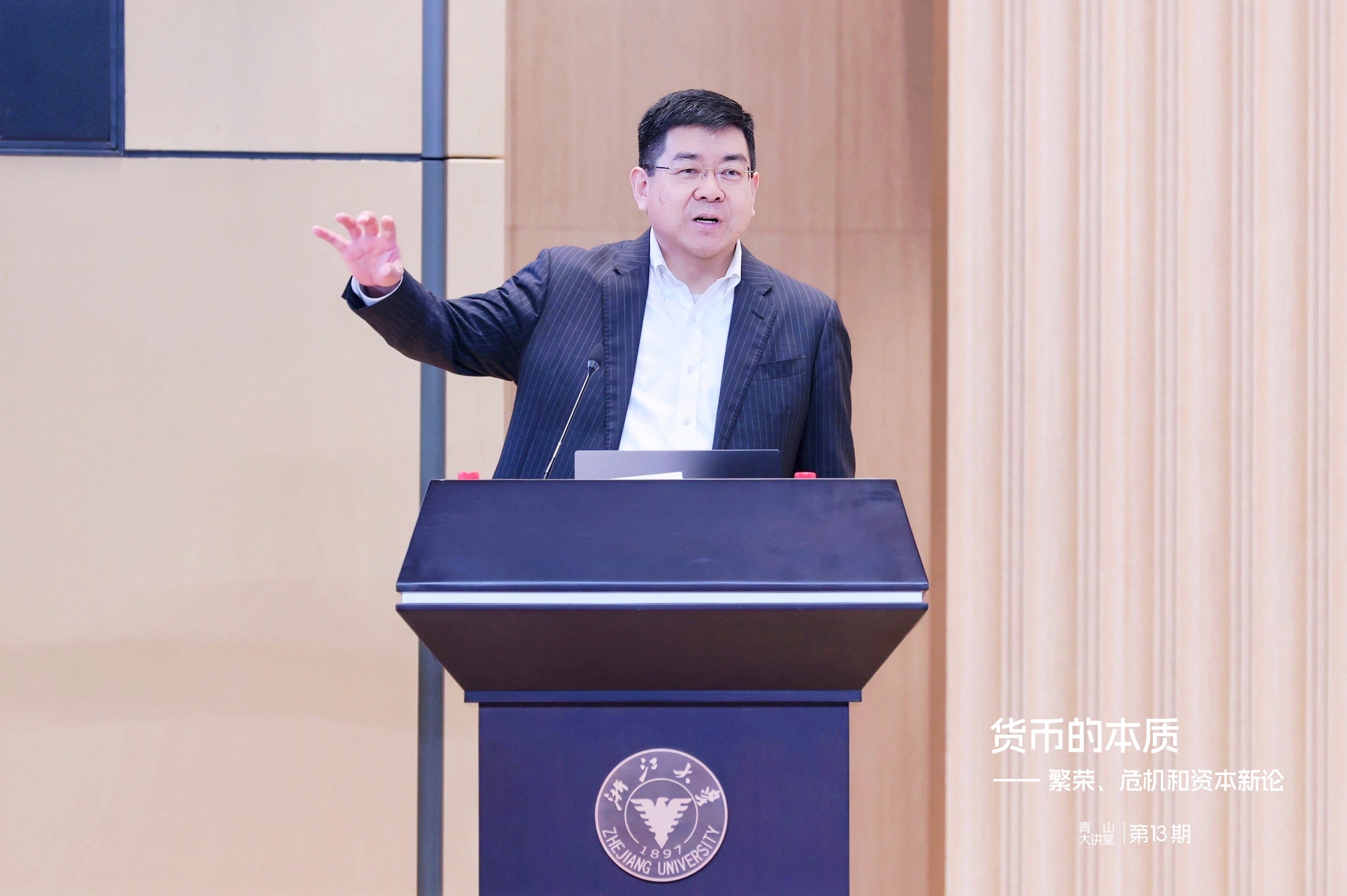
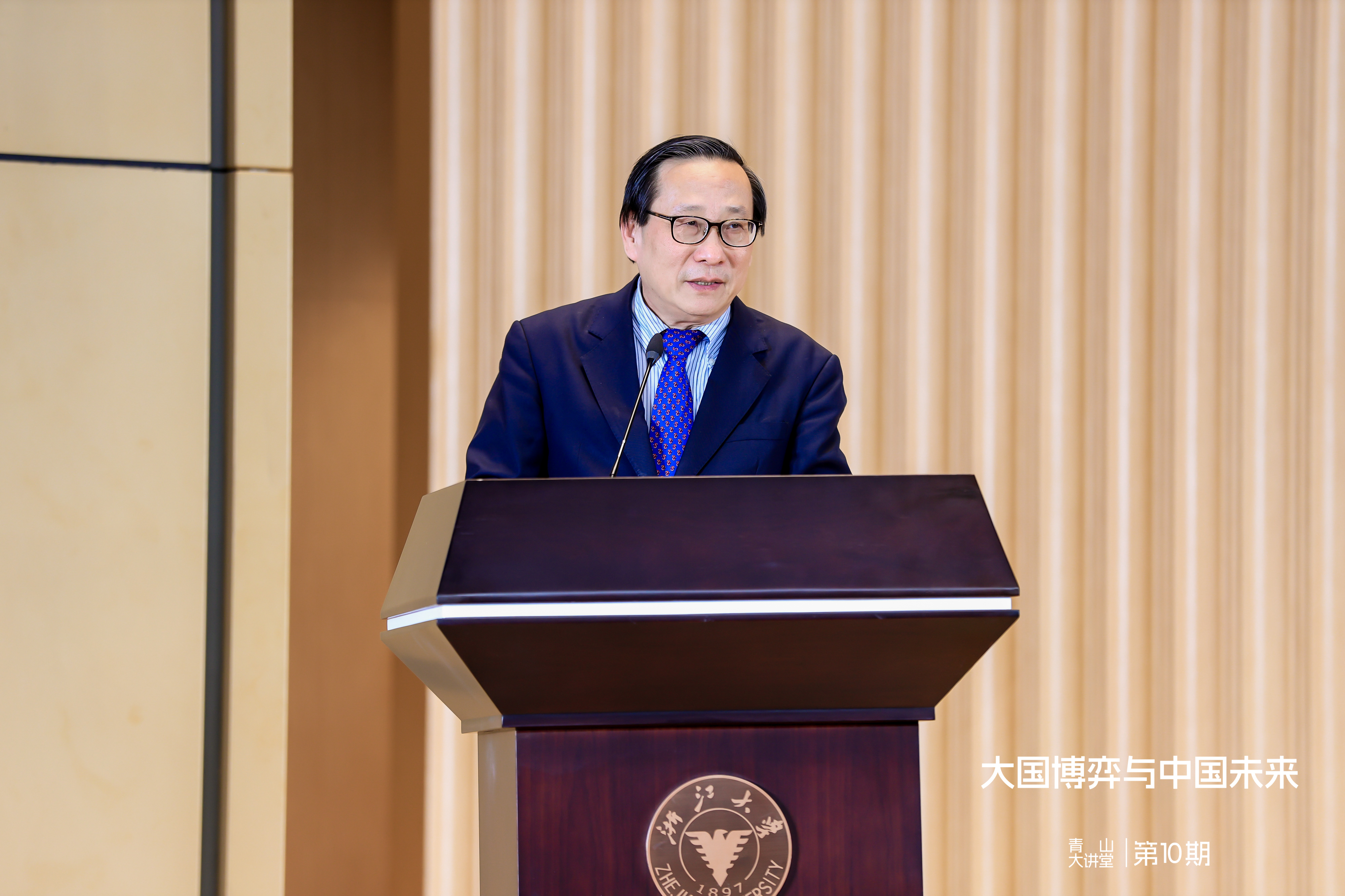
  • Tsingshan Lecture XIII: Money Captial: New Monetary Principles for a More Prosperous Society

    Date: 2 June 2026Venue: C110, School of ManagementTopic: Money Captial: New Monetary Principles for a More Prosperous SocietyIn his lecture entitled *Money Captial: New Monetary Principles for a More Prosperous Society*, Huang Haizhou began by addressing the foundational tenets of monetarism. He examined the pioneering 1965 work by Friedman and Schwartz, highlighting the shortcomings of monetarism’s core arguments. Subsequently, Huang Haizhou put forward the core thesis of the lecture: money is a *stock* issued by the state, rather than a *bond* as understood in traditional monetary economics. Huang then integrated this framework with corporate finance theory, arguing that the consequences of increased state money supply fundamentally depend on whether the newly issued money flows into projects with a positive net present value. Concluding the lecture, Huang discussed monetary sovereignty within the macro framework of international political economy, calling for a re-examination of the internationalisation of the renminbi and the monetary policy framework. Speaker’s Profile: Huang Haizhou, renowned economist and member of the Monetary Policy Committee of the People’s Bank of China

    2026-06-02
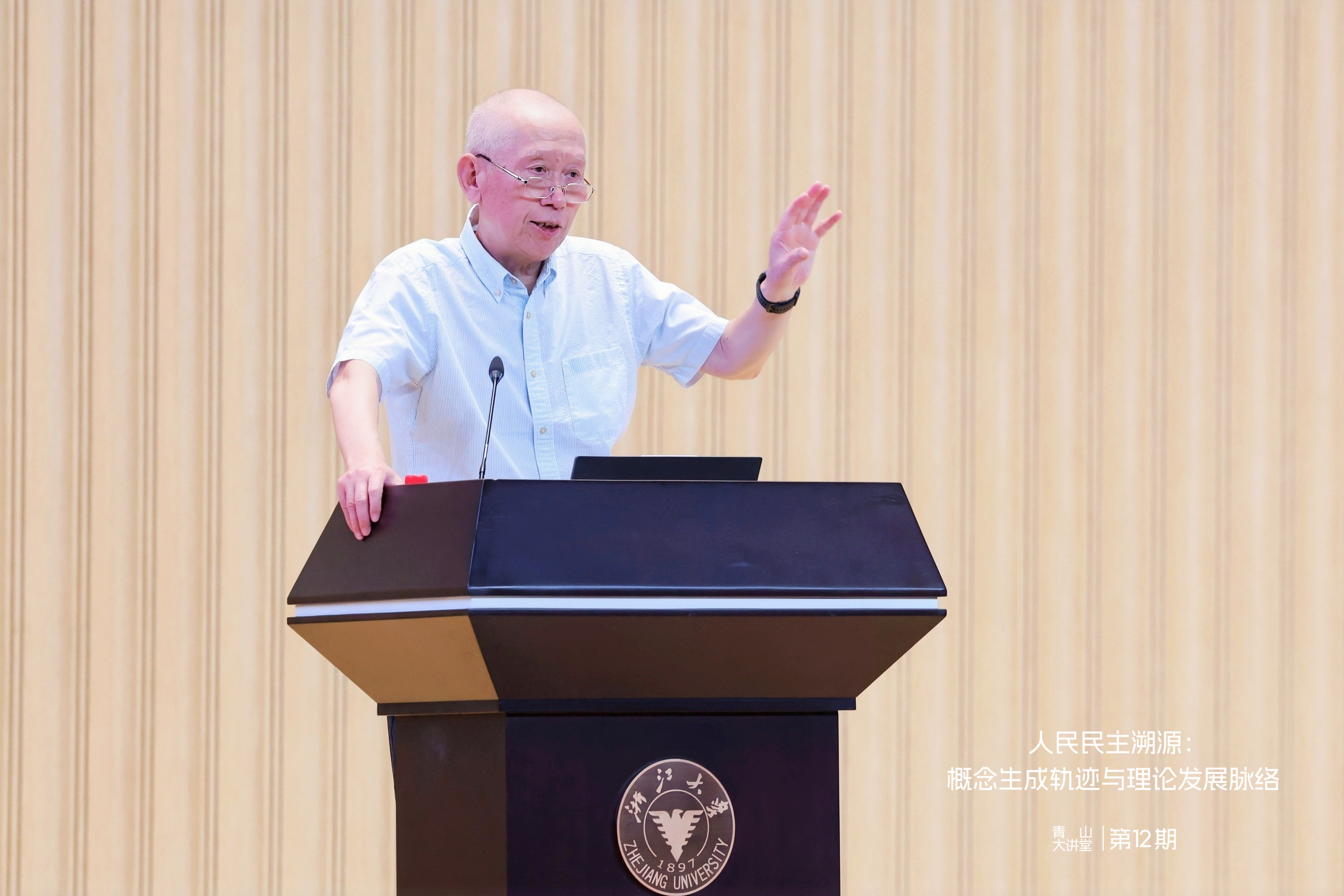
  • Tsingshan Lecture XII: The Origins of People’s Democracy: The Evolution of the Concept and the Development of Its Theoretical Framework

    Title: The Origins of People’s Democracy: The Evolution of Concepts and Theoretical DevelopmentSpeaker: Professor Wang ShaoguangTime: May 12th, 2026Venue: C110, School of Management In his lecture entitled ‘The Origins of People’s Democracy: The Evolution of Concepts and Theoretical Development’, Professor Wang Shaoguang began by explaining what motivated his research into this topic. He pointed out that the term ‘democracy’, which we take for granted today, did not exist in ancient China, but has undergone a long process of translation, debate and evolution. Professor Wang then conducted a systematic analysis from three dimensions: the history of translation, the history of concepts and the history of theory. He highlighted that the primary force driving the establishment of the concept of democracy in China was not liberal scholars, but rather a group of progressive scholars influenced by Marxism. Building on this, Professor Wang broadened his perspective to a comparison of political thought between China and the West, emphasising that the Communist Party of China has continuously adjusted its definition of ‘the people’ in practice.Speaker’s Profile: Wang Shaoguang, renowned political scientist and Professor Emeritus at The Chinese University of Hong Kong

    2026-05-12
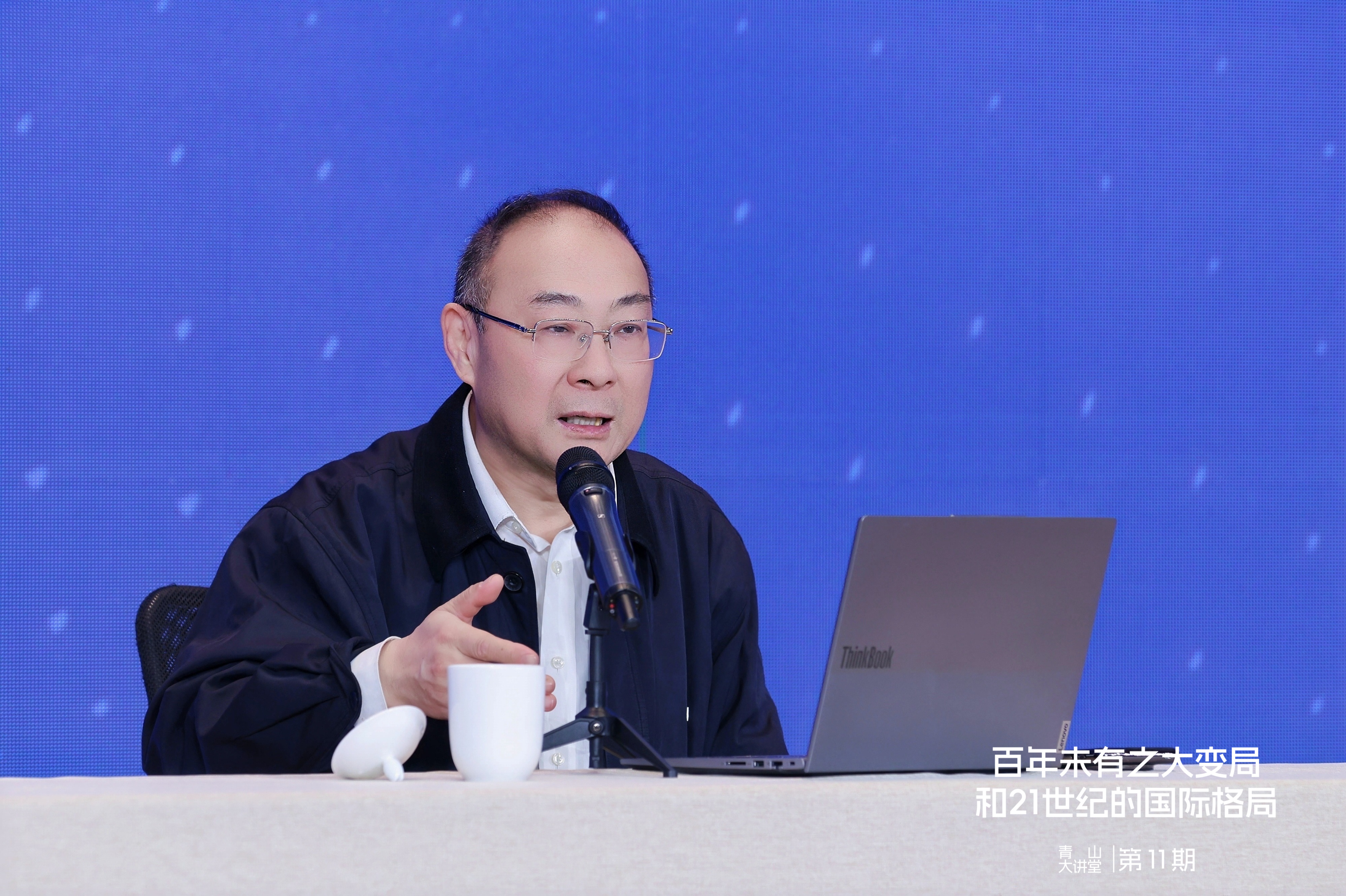
  • Tsingshan Lecture XI: The Unprecedented Transformation of the Century and the International Landscape of the 21st Century

    Title: The Unprecedented Transformation of the Century and the International Landscape of the 21st CenturySpeaker: Professor Jin CanrongTime: April 2nd, 2026Venue: C110, School of Management Abstract: In his speech titled “The Unprecedented Changes of the Century and the International Landscape of the 21st Century”, Professor Jin Canrong began by reviewing and commenting on the military conflict between the United States and Israel on one side and Iran on the other. Subsequently, Professor Jin conducted a systematic analysis from three dimensions—U.S.-China relations, the evolution of the global power structure, and China’s industrialization process—to explore the structural changes in the international landscape. Building on this, Professor Jin broadened his perspective to include historical comparisons and civilizational dialogue, and candidly pointed out internal challenges facing China, such as demographic shifts.Profile: Jin Canrong, Wu Yuzhang Chair Professor at Renmin University of China, Changjiang Scholar Distinguished Professor, and President of the China Society for Future Studies.

    2026-04-02
  • Tsingshan Lecture X: Great Power Rivalry and China's Future

    Title: Great Power Rivalry and China's FutureSpeaker: Professor Victor GaoTime: March 9, 2026Venue: C110, School of Management Abstract: In this profound lecture, Victor Gao argues that the world is witnessing the dawn of the end of Pax Americana and the emergence of Pax Sinica (the Chinese Peace). Analyzing the current geopolitical landscape, Gao characterizes U.S. strategic posture as increasingly hollow, particularly in light of Middle Eastern conflicts and the legal delegitimization of the U.S.-led tariff wars.Profile: Victor Gao, J.D. from Yale University, currently serves as Deputy Director of the Center for China and Globalization and Director of the China Energy Security Institute. He is a renowned diplomatic commentator and scholar of international relations.

    2026-03-09
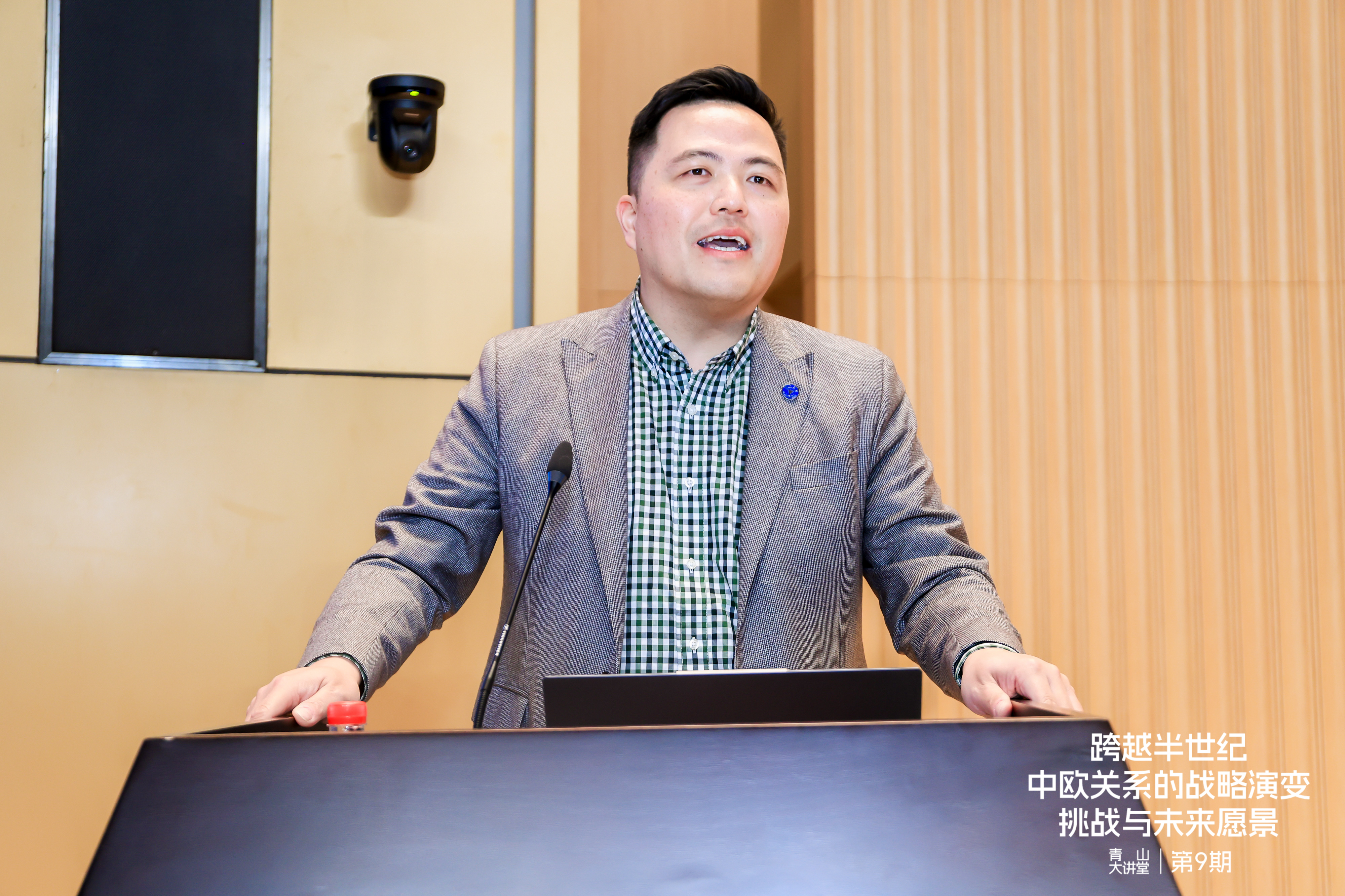
  • Tsingshan Lecture IX: Half a Century of Evolution: Strategic Challenges and Future Vision in China-EU Relations

    Title: Half a Century of Evolution: Strategic Challenges and Future Vision in China-EU RelationsSpeaker: Professor Shen WeiTime: December 30, 2025Venue: C110, School of Management Abstract: The year 2025 marks the 50th anniversary of the establishment of diplomatic relations between the People's Republic of China and the European Union. Over the past half-century, China-EU relations have undergone profound and complex evolution, progressing from tentative initial contacts to the current comprehensive strategic partnership. This edition of the Green Mountain Lecture Series will trace the key stages and driving forces behind the development of China-EU relations, analyzing patterns of interaction between the two sides in core areas such as economic and trade cooperation, global governance, and geopolitics. In light of recent frictions and fluctuations, it will explore how China-EU relations can strike a balance amid multiple roles—as partners, competitors, and systemic rivals. Looking ahead to future cooperation pathways, the lecture offers forward-looking insights into the trajectory of this vital bilateral relationship. Profile: Shen Wei is a Qiushi Chair Professor at the School of Public Affairs, Zhejiang University, and a Jean Monnet Chair Professor of the European Union. Professor Shen holds a PhD in Human Geography from Loughborough University, an LLM from Stockholm University, and an Erasmus Master in Law and Economics and a Master in Urban Management from Erasmus University Rotterdam. Before joining Zhejiang University, he served as Associate Vice-President for International Relations at Deakin University in Australia, Director of the Confucius Institute and Professor at the Management School of Lancaster University, Professor and Associate Dean at ESSCA, and Visiting Professor at prestigious institutions such as Sciences Po and the University of Strasbourg.

    2025-12-30
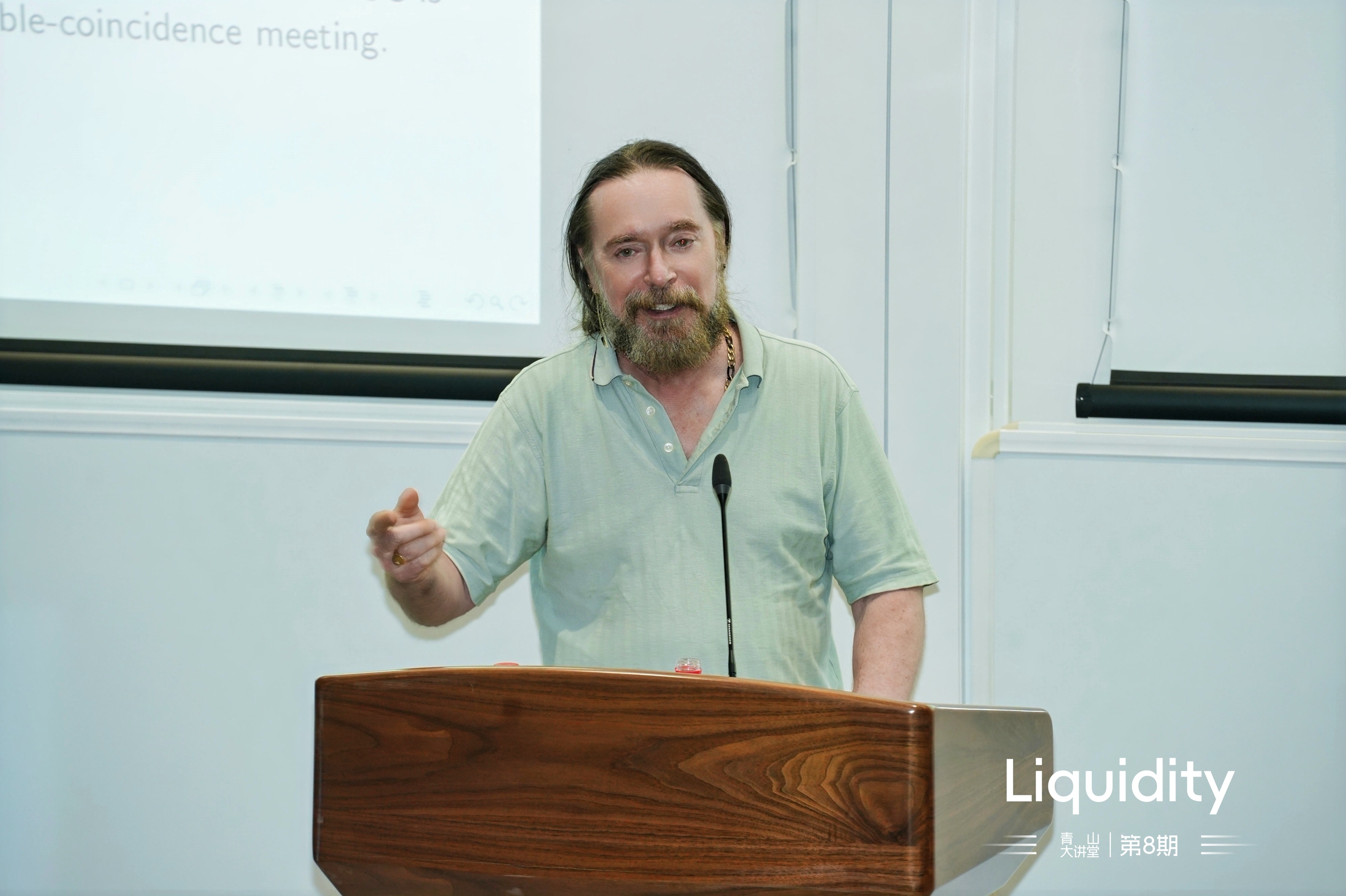
  • Tsingshan Lecture VIII: Liquidity

    Title: LiquiditySpeaker: Professor Randall WrightTime: 16th October, 19:00Venue: C110Abstract: Since the financial crisis 10 years ago, virtually everybody in economics, finance and policy making agrees that liquidity is a critical concept. However, most academics do not know how to model liquidity. Today I’ll show you how I do it.Profile: Randall Wright is the Ray B. Zemon Chair in Liquid Assets in the Department of Finance, Investment and Banking at the Wisconsin School of Business, as well as a Professor in Wisconsin’s Department of Economics. He previously held faculty positions at the University of Pennsylvania and Cornell, and was a National Fellow at Stanford’s Hoover Institution. He is currently a consultant for the Federal Reserve Banks of Minneapolis and Chicago, a Research Associate at the National Bureau of Economic Research, where he co-organizes the Macro Perspectives group, and a Fellow of the Econometric Society and Society for the Advancement of Economic Theory. He has a B.A. (Economics) from University of Manitoba, a Ph.D. (Economics) from University of Minnesota, and an M.A. (Honorary) from University of Pennsylvania.Professor Wright is well known for his work on monetary, macro and labor economics, with over 100 publications. From 1998 to 2008, he was the Editor of International Economic Review, and is currently Associate Editor at Journal of Economic Theory and Advisory Editor at Macroeconomic Dynamics. He has won several awards for his research, and currently has the highest “degree centrality” in economics (basically, greatest number of coauthors).

    2025-11-10
  • Update【Call For Papers】New Connections in International Business Conference 2026

    New Connections in International Business Conference 2026Scheduled for 9th to 10th May 2026.CALL FOR PAPERSConference ThemesIn 2017, ‘The Determinants of Chinese Outward Foreign Direct Investment,’ published by Peter Buckley and co-authors in 2007, was the 2017 AIB JIBS Decade Award Winner. Almost 20 years on from this publication we are in a very different global environment. Geopolitical disruption, technical change and economic turbulence are challenging the resilience of MNEs to adapt. At the same time, China has evolved to become a leading innovation nation and a key player in the global economy.  This conference will be an opportunity to reflect on the evolution of China and Chinese firms in the international arena, but we welcome papers across the IB studies field, with a preference for our key themes listed below.  Zhejiang University, Hangzhou city and Zhejiang Province are recognised as innovation leaders, the birthplace of entrepreneurial firms from Alibaba and Geely to DeepSeek. 107 of the top 500 Chinese private enterprises are based in the province. Appropriately, our first conference theme (below) is international innovation and entrepreneurship in the digital era. This includes, but extends beyond digital internationalisation, digital platforms and AI as new enablers for international expansion and managing global businesses. Keynote SpeakersConfirmed speakers include :Professor Peter Buckley (Manchester Alliance Business School) Professor Grazia Santangelo (Copenhagen Business School) Professor Yadong Luo (UM Herbert Business School) Professor Torben Pedersen(Copenhagen Business School)Professor Jiatao (JT) Li (HKUST)Professor Xufei Ma (CUHK Business School) Professor Changqi Wu (Guanghua School of Management)Professor Jane Lu (City University of HongKong)Conference TracksInternational business, innovation and entrepreneurship in the digital eraIncluding: digital internationalisation, digital platforms and AI as new enablers for international expansion and managing global businesses; the impacts of innovation races on global value chains; the changing linkages between regional innovation (eco)systems; the evolving role and impacts of digital born global firms.Changing patterns of trade, FDI and MNE internationalisationGeopolitical disruption, risk, resilience and changing global governance structures, institutions and regulation. Policy impacts on MNEs and internationalisation.The corporate social responsibility (CSR) of MNEsGlobal sustainability and circular economy business models. Global supply chains in transition. Measuring progress towards ESG's (environmental, social and governance) or SDGs (sustainable development goals) and enhancing the positive impacts of MNEs.Developing context sensitive theories, methods and empiricsHow different are Chinese multinationals? The evolution of Chinese management research. Chinese business practices, culture, markets, institutions and finance.International comparative research methods and data analysisIncluding: new insights from AI tools; interdisciplinary approaches to international business research; multimethod approaches; the potential for causal inference approaches to provide new international business insights.PhD SymposiumA conference track dedicated to papers with PhD students as lead authors. These can be across, or beyond, the above conference themed tracks. There will be a focus on paper development and publishing advice. Journal Special Issue WorkshopsWe are in discussions with the Editors of leading journals to organise Special Issue (SI) workshops alongside the main conference. There will also be opportunities for PhDs to hear from members of Editorial Boards on publishing in leading journals.Key Dates and Submission DetailsThe programme team invites full papers, or extended abstracts. The conference presentations and all papers will be in English. Each submission must include an abstract, not to exceed 200 words. Please state which one of the 6 conference tracks the paper should be considered for by putting the Track number and title on the front page at the top right. Only PDF and Word files will be accepted. PhD student-led papers should be marked for Track 6 (although they may be accepted and invited for presentation in one of the other 5 themed Tracks). Following conference guidelines, full papers must be fewer than 12,000 words inclusive of all materials, including appendices and references. Papers must follow the JIBS Style Guide. Extended abstracts should be between 2 and 6 pages, not including references. Please send all submissions to: zju-aib2026@zju.edu.cnWe will post further details at the conference website: https://tiabs.zju.edu.cn/2025/1021/c75232a3095472/page.htmThe submission deadline is March 20th, 2026.RegistrationRegistration fee: Full fee for Professors is CNY 1,500.Reduced fee for PhD students: CNY 800.Please click here for registration : https://zju-ib2026.baibuhz.com  Housing Open : 9 February 2026Hosts This conference is supported by the School of Management and the Tsingshan Institute for Advanced Business Studies (TIABS), Zhejiang University. Hangzhou is famous for the West Lake (Xihu), a UNESCO World Heritage Site, temples, tea and silk. It has historical significance, serving as the capital for several dynasties including the Southern Song Dynasty. It is also known as the Chinese Silicon Valley with established multinationals and Fortune 500 companies including Alibaba, WZ Group, Zhejiang Rongsheng Holding Group, Geely Holding Group, and Hengyi Petrochemical Co., alongside technology start-ups such as DeepSeek and Unitree Robotics. A series of company visits will be organised as part of the conference event by the hosts.Contact informationFull details about the Conference venue, registration fees, and accommodation will be posted soon. For any questions, please contact :Ms. Meng:  0924235@zju.edu.cn  

    2025-10-21
  • Tsingshan Lecture VII: China-US Stageic Game and Great Innovate Changes

    Title:  China-US Stageic Game and Great Innovate ChangesSpeaker: Professor Xianhai HuangTime: 11th June, 18:30Venue: Godlen HallAbstract: Titled “The U.S.-China Strategic Game and Major Innovation Transformation,” the presentation delved into three key areas: the broader trends in U.S.-China relations, the surge of innovation in Hangzhou, and the main pathways through which artificial intelligence drives industrial transformation. It highlighted the imperative for contemporary entrepreneurs to maintain a global perspective, strategically anticipate technological shifts, lead in building innovation ecosystems, and seize the initiative in navigating profound changes unfolding over a century. Using Hangzhou’s “Six Little Dragons” enterprises as a case study, the analysis illustrated their deep collaboration with Zhejiang University and the city of Hangzhou. It pointed out that behind Hangzhou’s innovation boom lies a significant leap in innovation pathways, embodied in “one paradigm and three mechanisms”: the innovation paradigm of the digital age, the youth-led mechanism, the “dual empowerment engine” mechanism, and the “dual frontiers” mechanism.‍‍Profile: Professor Huang Xianhai, Vice President of Zhejiang University and Dean of the Qingshan Academy of Business, delivered a lecture titled Sino-U.S. Strategic Game and Major Innovation Transformation at the Qingshan Lecture Hall. He analyzed the trends in Sino-U.S. relations and China’s strategic responses, and introduced the One Paradigm, Three Mechanisms behind Hangzhou’s innovation surge. Professor Huang also proposed a third macro-policy framework aimed at innovation-driven growth. The lecture attracted over 200 participants, including faculty, students, and scholars such as Professors Zhang Junsen, Miao Jianjun, Zhou Weihua, Yu Xunda, and Shen Wei. It was chaired by Professor Wu Xiaobo, a Distinguished Expert of Zhejiang Province and Executive Dean of the Qingshan Academy of Business.‍‍In his talk, Professor Huang emphasized that China should strengthen international alliances, boost domestic trade, support enterprises through tax reductions, stabilize financial markets, and enhance innovation. Using the “Hangzhou Six Little Dragons” as a case study, he illustrated how human intelligence and data have become core inputs in the digital era, facilitated by youth-driven innovation, platform-city “dual empowerment,” and Zhejiang University’s “dual frontier” mechanism integrating research and practice. He further highlighted talent as the key to AI development and called for differentiated industrial and patent strategies, proactive government support, and greater university-industry collaboration to accelerate innovation.‍‍‍‍

    2025-06-13